










Phishing
Major Data Leak Exposes 183 Million Email Accounts – What Happened and What It Means
Major Data Leak Exposes 183 Million Email Accounts – What Happened and What It Means A massive data leak came to light on October 28, 2025, with reports confirming that hundreds of millions of user credentials have been exposed online. Below, we break down the key facts of this breach – including its source, scale, and implications – and then explore how cybersecurity solutions from Cerebra.sa could help prevent or mitigate such incidents in the future. Overview of the October 28, 2025 Data Leak Source/Target: The breach did not stem from a single company hack, but rather from a trove ...
Read More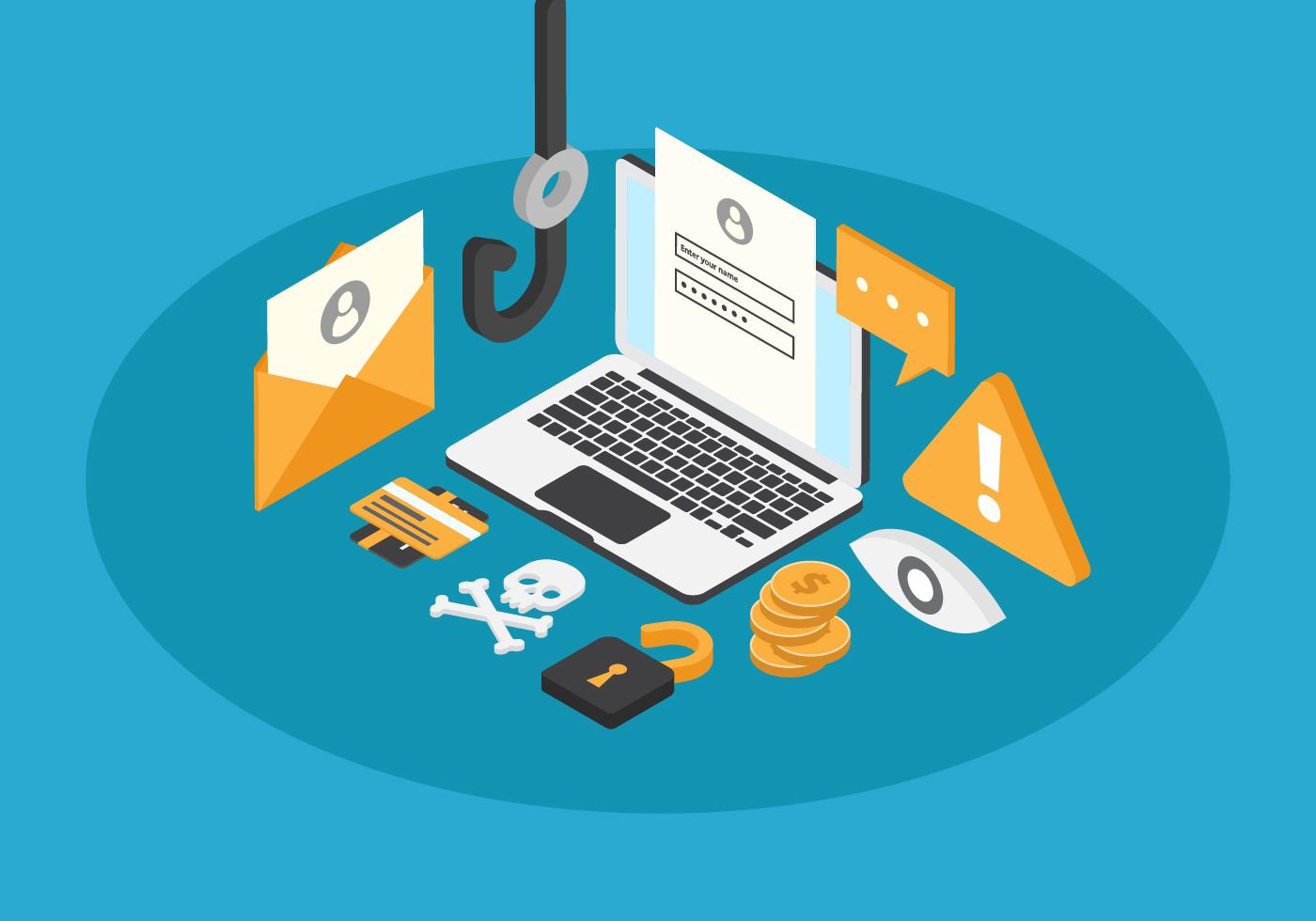
Top 3 Phishing Types and How to Prevent Them in 2025
Phishing Types: Spear Phishing, Smishing & How to Avoid Phishing Emails The Enduring Threat: Why Phishing Attacks Are Getting Smarter Phishing types like spear phishing, smishing, and whaling are becoming more sophisticated in 2025, making it harder than ever to avoid phishing emails. This guide explores the most dangerous phishing types and shows you how to recognize and prevent them before they cause harm. The National Cybersecurity Authority (NCA) reinforces this urgency with its awareness message: ‘Stop for 5 seconds… Guard Your Cyberspace.’ What Is Phishing? Definition and Modern Tactics Phishing is a cyberattack where malicious actors impersonate trusted ...
Read More
The AI Revolution in Cybersecurity: A New Frontier of Defense
The AI Revolution in Cybersecurity: A New Frontier of Defense How is AI revolutionizing the cybersecurity industry? The rapid evolution of Artificial Intelligence (AI), especially with the rise of Generative AI (GenAI), is not just reshaping every industry; it is fundamentally transforming how we approach digital defense. As cyber threats grow in complexity and scale, AI is emerging as a powerful ally, offering innovative solutions to protect digital assets and infrastructure. For a full list of advantages, read about the 5 Benefits of Using AI in Cyber security. At Cerebra, we explore how AI is reshaping the cybersecurity landscape—from enhancing ...
Read More
Uber security breach by 18-year-old Hacker!
Uber security breach by 18-year-old Hacker! Uber security breach proves that the largest companies can be hacked by teenagers! this news will undoubtedly shock you.. How Uber security breach happened? Uber recently experienced a cyberattack where an 18-year-old hacker accessed their systems by launching a successful social engineering attack on an employee. The hacker used stolen employee credentials to launch an MFA (Multi-Factor authentication) Fatigue attack. It is an attack where a victim receives multiple requests from their MFA application till it bothers them out leading them to eventually accept the request. The teenage attacker did not disclose how he ...
Read More
Juice Jacking: The Threats of Public USB Charging Stations
Juice Jacking and charging in public places Have you ever heard about juice jacking attack? what is it? how it’s happened? and how to protect from it? A shared scenario between many is being in public with a dying mobile device, franticly looking for a charger. When coincidently you find a free charging station calling out your name. You find a solution, but have you ever thought about the risks of using these public charging stations? The accessibility of these public USB charging stations is convenient but connecting your device to one can put you in a vulnerable position. With just plugging in your smartphone or ...
Read More
Best Ways to Identify a Phishing Email in 2020
Cyber-attacks come in a variety of formats and with the advancement of technology it continues to improve. Phishing is a common type of cyber-attack used by cyber criminals, and according to Proofpoint’s threat report, 75% of organizations experienced a Phishing attack and receive a Phishing Email in 2020 (Proofpoint 2021 state of the Phish report). Best Ways to Identify a Phishing Email Cyber criminals found a higher success rate in achieving their goals thorough email phishing rather than any other approach. This is due to the lack of awareness and knowledge on how to identify legitimate emails from fake ones. ...
Read More
Understanding of the Vishing Meaning
Understanding of the Vishing Meaning Vishing, a combination of “voice” and “phishing,” is a sophisticated form of cybercrime that exploits voice communication to trick individuals and extract sensitive information. In this comprehensive guide, we will explore the meaning of it, the dangers associated with it, and effective methods to protect yourself against these malicious attacks. What is Vishing meaning? Vishing refers to the fraudulent practice of using telephone services to trick individuals into revealing personal and financial information. Scammers often pose as trusted organizations or individuals to gain their victims’ trust. By using social engineering tactics and manipulating ...
Read More
Insider Threats in Cyber Security | types & protection
Insider Threats in Cyber Security Organizations tend to only focus on setting cyber security measures for potential threats and intrusions made by external circumstances. Unfortunately, they undermine the possibilities of a trusted employee launching a cyber-attack against them. This negligence resulted in 34% of businesses being affected by an insider threat on a yearly basis. This cyber security risk does not only leave the organization vulnerable but is also viewed as an easy target for internal and external threats. Whoever has authorized access to sensitive data, either it being an employee or a partner (which sometimes referred to as Third-party ...
Read More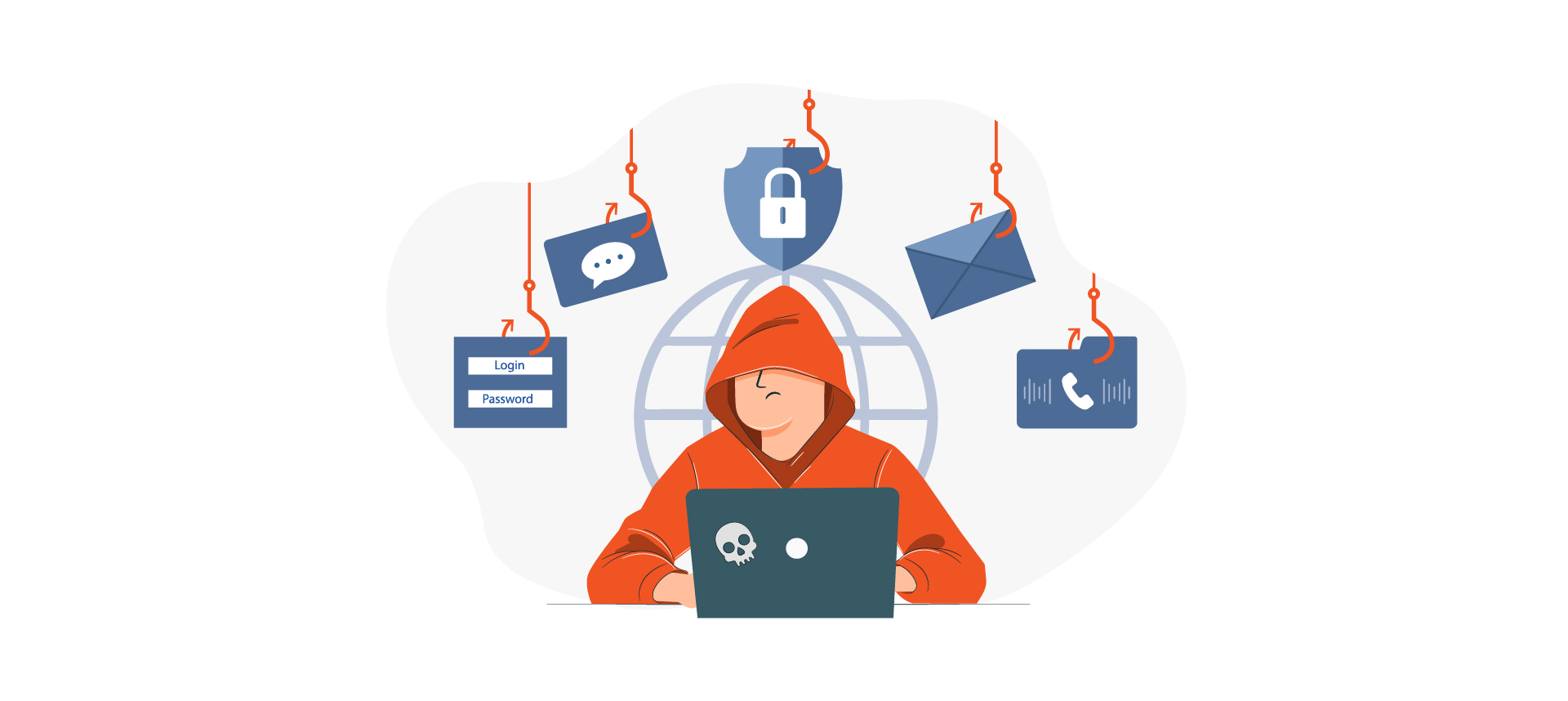
The Difference Between Phishing Attacks
The Difference Between Phishing Attacks Phishing attacks are harmful attacks used by criminals to steal personal and financial information from individuals and businesses. Attacks on individuals and businesses are becoming more common as we use the internet and technology more often in our daily lives. Phishing attacks involve the use of dishonesty and fraudulent methods to fool consumers into believing they are interacting with the trustworthiness of an unsuspecting destination, such as banks, email companies, or social media platforms. But what is the difference between phishing attacks? How can individuals and organizations protect themselves from such attacks? That is what ...
Read More- 1
- 2
