












In the era of advanced technologies, especially with the explosive adoption of Large Language Models (LLMs) and Generative Artificial Intelligence (GenAI), deepfake has emerged as one of the most significant challenges in cybersecurity.
This technology relies on Artificial Intelligence, specifically deep learning and the use of GenAI, to create fake yet highly realistic content that is difficult to detect.
Deepfake serves as a versatile tool spanning applications from entertainment to cybersecurity.
However, its misuse can pose severe risks, especially in phishing schemes.
What is Deepfake?
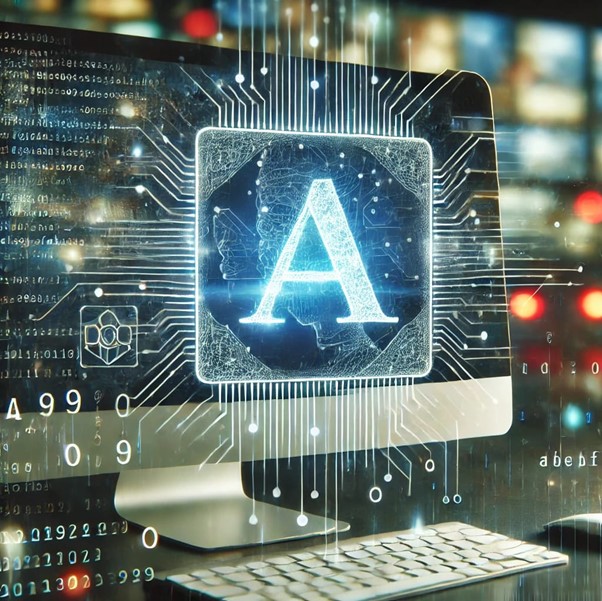
Synthetic media refers to a technology that leverages deep learning algorithms to create fake videos or audio recordings that appear authentic.
It involves training artificial neural networks on massive datasets, including voices, images, and videos of targeted individuals, to mimic them with high precision.
The result is content that is virtually indistinguishable from reality.
Deepfake in Phishing
Phishing schemes involving fabricated content represent a sophisticated threat where attackers use fake audio or video clips to deceive victims.
Common tactics include:
Fake Voice Calls: Mimicking voices of trusted figures like executives or government officials to extract sensitive information or request financial transfers. Attackers use advanced software to analyze original voices and generate similar-sounding audio for specific messages.
Fake Videos: Convincing victims they are interacting with a trusted individual or receiving instructions from an authoritative figure. These videos can replicate facial expressions, gestures, and voice tones, making them appear highly credible.
Deepfake-Embedded Messages: Sending content embedded with fake elements to direct victims to malicious links or request financial transfers. Such messages may include attached audio or video clips to enhance credibility and increase the likelihood of compliance.
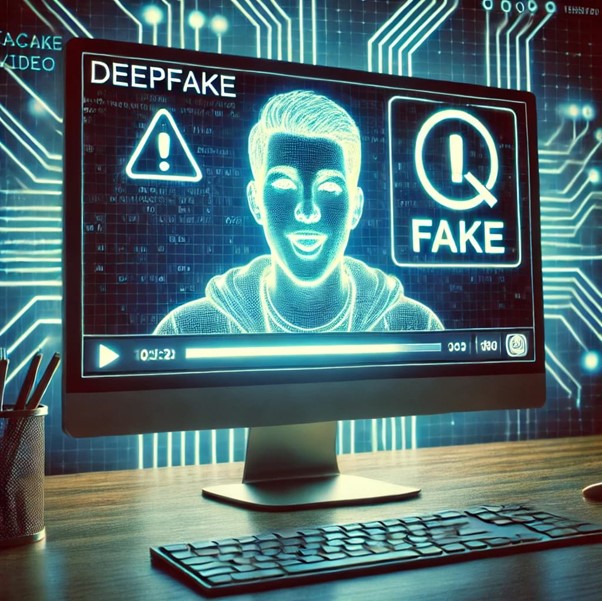
Effects of Deepfake
Identity Impersonation: these tools can be used to impersonate influential figures, leading to significant financial losses. For instance, attackers might use fake voices or images of company leaders to request fund transfers or access confidential information.
Spreading Misinformation: edited videos can serve as powerful tools for spreading falsehoods and misinformation, damaging the reputation of individuals or companies and even swaying public opinion on critical issues.
Market Manipulation: Fake news generated through manipulated media can cause unexpected fluctuations in financial markets. For example, a fake video of sudden announcements by economic officials might lead to drastic stock price movements.
Real-Life Examples
In 2023, a notable incident involved the use of fabricated audio to impersonate the voice of a company executive, resulting in the transfer of hundreds of thousands of dollars to an attacker’s account.
Fake videos have also been used to influence public opinion or deceive individuals into participating in fraudulent transactions.
Such incidents can have long-term negative impacts on the reputation of individuals and organizations, as well as erode public trust in online information.
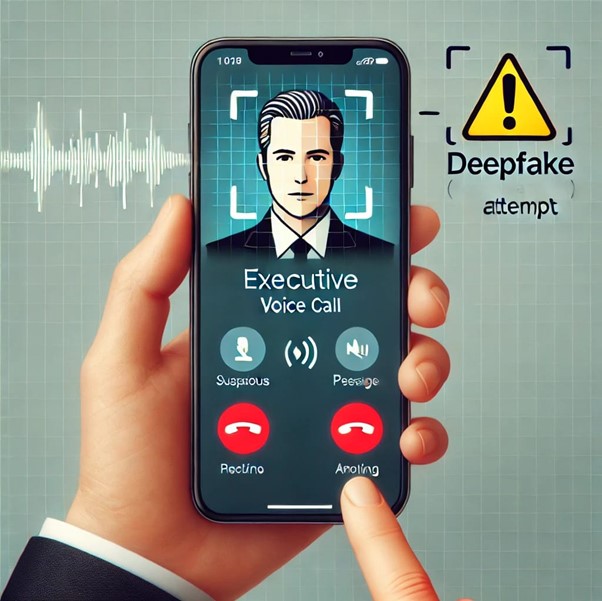
How to Protect Yourself Against Deepfake Phishing
To counter the risks posed by these advanced tools, several strategies can be adopted:
Technical Awareness: Individuals should understand how to differentiate between real and fake content, though it might be difficult nowadays with the advent of Large Language Model (LLMs) and GenAI. This requires familiarity with synthetic media technology and a cautious approach to content that seems overly perfect or unusual.
Using Advanced Detection Tools: on the other hand, AI-powered tools can identify fabricated content by analyzing visual and audio elements.
These tools detect inconsistencies or subtle signs invisible to the naked eye.
Verifying Sources: Never trust content or requests without directly verifying their source, especially if they involve sensitive information or financial transactions. Always contact the individual or organization through a trusted channel to confirm the authenticity of requests.
Collaboration with Cybersecurity Experts: Organizations should train their staff and equip them with knowledge to detect and handle threats. Experts can develop tailored security strategies, including regular updates to software and security policies.
Future Technologies in Combating Deepfake
Efforts to combat fabricated content are continuously evolving, with researchers developing advanced tools using AI to analyze videos and audio for manipulation.
These technologies can include analyzing fine details in sound or video, such as lighting, color, and contrast, to detect forgeries effectively.
Conclusion
Deepfake presents a significant challenge in the field of cybersecurity, particularly when used in phishing attacks.
By focusing on awareness and employing suitable tools, we can mitigate the risks associated with this technology and protect ourselves and our information effectively.
As technology advances, innovation in digital security becomes increasingly vital to address future threats effectively.
Share this article:
Popular

Major Data Leak Exposes 183 Million Email Accounts – What Happened and What It Means
Major Data Leak Exposes 183 Million Email Accounts – What Happened and What It Means A massive data leak came to light on October 28, 2025, with reports confirming that hundreds of millions of user credentials have been exposed online. Below, we break down the key facts of this breach – including its source, scale, and implications – and then explore how cybersecurity solutions from Cerebra.sa could help prevent or mitigate such incidents in the future. Overview of the October 28, 2025 Data Leak Source/Target: The breach did not stem from a single company hack, but rather from a trove ...
29th Oct 2025
Top 3 Phishing Types and How to Prevent Them in 2025
Phishing Types: Spear Phishing, Smishing & How to Avoid Phishing Emails The Enduring Threat: Why Phishing Attacks Are Getting Smarter Phishing types like spear phishing, smishing, and whaling are becoming more sophisticated in 2025, making it harder than ever to avoid phishing emails. This guide explores the most dangerous phishing types and shows you how to recognize and prevent them before they cause harm. The National Cybersecurity Authority (NCA) reinforces this urgency with its awareness message: ‘Stop for 5 seconds… Guard Your Cyberspace.’ What Is Phishing? Definition and Modern Tactics Phishing is a cyberattack where malicious actors impersonate trusted ...
5th Aug 2025
5 Critical Benefits of AI in Cybersecurity: Latest Data and Threat Defense in 2025
Using AI in Cybersecurity We should start learning using AI in cyber security because Hackers aren’t going to slow down any time soon and with a using AI! The next step to level up in protecting your business’s IT infrastructure is to integrate artificial intelligence. Studies have revealed that AI will strengthen the wall between systems and cyber threats. According to an IBM report, the global average cost of a data breach in 2025 is $4.4 million. Even though, it decreased by 9% vs previous year, the numbers are still way higher than few years back. They are elevating their approaches ...
1st Aug 2025
6 benefits of SMS Marketing you should know!
6 benefits of SMS Marketing you should know! Have you ever used SMS marketing to reach and communicate with your audience, if not! I’m sure that you will change your mind when you read about the benefits of SMS Marketing, continue this article to learn.. Many businesses are constantly seeking ways to interact with and attract new customers. Their joint objective is to reach a wider audience. To do so, communication is key. There are many ways for businesses to communicate with their audience, either by email, social media, or adverts, but the most beneficial marketing method, that is often ...
30th Jul 2025
MFA: the New Firewall In the 21st century
MFA- Multi Factor Authentication This article will help you to understand why Multi Factor Authentication( MFA )became an important architectural component in protecting us in the new Working From Home. Introduction In the early days, Cybersecurity (then called IT Security or information security) used to be merely a username and password. If you ask to someone, they would say I have a username and password so I am safe. It wasn’t much of the internet at that time. Eventually, people have learned that password isn’t sufficient to protect their digital assets. So Antivirus (AV) software flourished and we saw a ...
20th Jul 2025
What is the role of MFA? |ECC & SAMA Compliance
ECC & SAMA Compliance with MFA solution Do you know that there are a great MFA solutions in market today help your organization for ECC & SAMA Compliance? this article will show you how and we will provide you the most incredible MFA solution help to comply with Cybersecurity regulation in KSA.. With the world of cyber threats becoming more intense than ever, organizations need to comprehend the need for an improved cybersecurity framework. The universal goal is to protect the organization’s network from any outsider or insider threats, especially with the addition of remote work resulting from the COVID-19 ...
15th Jul 2025
The AI Revolution in Cybersecurity: A New Frontier of Defense
The AI Revolution in Cybersecurity: A New Frontier of Defense How is AI revolutionizing the cybersecurity industry? The rapid evolution of Artificial Intelligence (AI), especially with the rise of Generative AI (GenAI), is not just reshaping every industry; it is fundamentally transforming how we approach digital defense. As cyber threats grow in complexity and scale, AI is emerging as a powerful ally, offering innovative solutions to protect digital assets and infrastructure. For a full list of advantages, read about the 5 Benefits of Using AI in Cyber security. At Cerebra, we explore how AI is reshaping the cybersecurity landscape—from enhancing ...
6th Jul 2025
Uber security breach by 18-year-old Hacker!
Uber security breach by 18-year-old Hacker! Uber security breach proves that the largest companies can be hacked by teenagers! this news will undoubtedly shock you.. How Uber security breach happened? Uber recently experienced a cyberattack where an 18-year-old hacker accessed their systems by launching a successful social engineering attack on an employee. The hacker used stolen employee credentials to launch an MFA (Multi-Factor authentication) Fatigue attack. It is an attack where a victim receives multiple requests from their MFA application till it bothers them out leading them to eventually accept the request. The teenage attacker did not disclose how he ...
15th Jun 2025
Biometric Authentication: Is it reliable?
Biometric Authentication The history of bio-metrics used as an authentication tool dates to the 1800s. It was first used by the French to identify criminals through their fingerprints, which later the English police commissioner, Edward Henry, developed HCS “Henry Classification System”. It was a system that relied on fingerprints to identify people who have been prosecuted, it was a prime way of classification used by the police during the 20th century. As the years continued, new biological traits started being used in biometric authentication which in result are replacing traditional methods of authentication. Any invention introduced in the cyber world ...
10th Jun 2025