










AI Governance: Opportunities and Challenges in Cybersecurity
With the increasing reliance on AI technologies in various fields, AI Governance has become a key factor to ensure system integrity and data protection.
This governance plays an essential role in enhancing confidence in modern technology and ensuring that it is used responsibly.
It has been almost two years since OpenAI’s ChatGPT went viral, igniting widespread interest in artificial intelligence (AI) and setting off a wave of technological and investment growth in the field.
Academic and technical investments in artificial intelligence:
The advancements in AI since then have been staggering, with exponential increases in both research and funding. For instance, NeurIPS 2023 received a record 5,875 paper submissions, with around 26% acceptance, while ICML 2023 reviewed nearly 6,000 submissions and accepted about 21%.
In addition to academic growth, investment in generative AI alone has multiplied, reaching $25.2 billion, nearly eight times what it was in 2022, with a significant portion directed toward data centers, electricity, and GPUs. Yet, the question of how to effectively monetize these investments remains open.
Artificial intelligence’s involvement in combating cyberthreats
In the cybersecurity landscape, AI has become a powerful enabler, bringing significant advancements across several use cases. Anomaly detection, for example, is one area where machine learning and deep learning techniques have proven highly effective, enhancing capabilities for detecting unusual patterns that could signal cyber threats. Large Language Models (LLMs), including those similar to ChatGPT, are also increasingly leveraged in crafting phishing simulation scenarios Phishing.
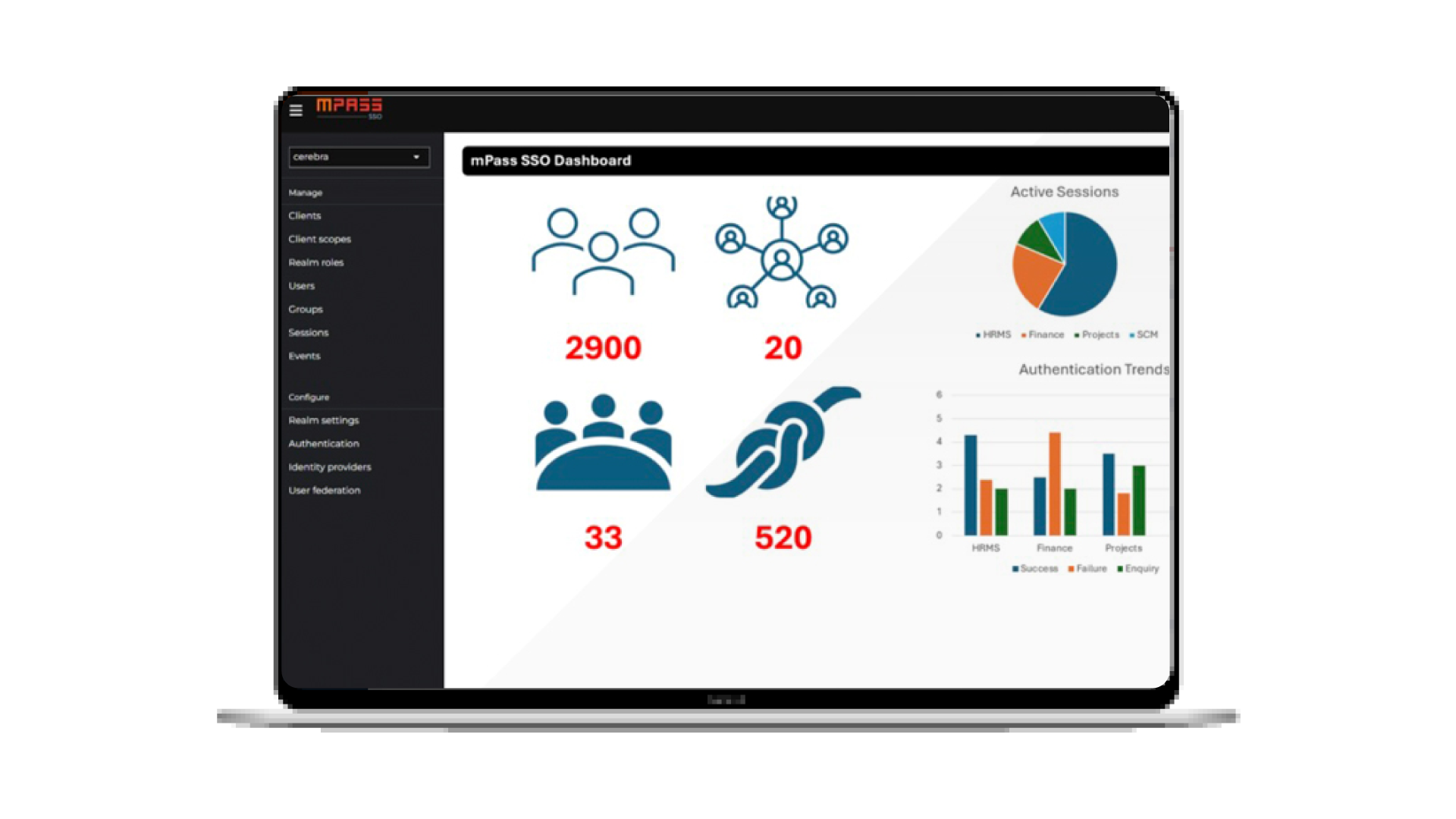
In fraud detection, AI provides tools to uncover and prevent fraudulent activities, while intelligent authentication methods mPass improve identity verification and reduce unauthorized access risks.
Moreover, automation in Security Operation Centers (SOC) relies on AI to streamline responses and incident management, making security teams more efficient and proactive.

Challenges and risks associated with AI developments
However, as AI progresses, it also introduces new cybersecurity risks that must be addressed early and managed carefully. The critical need for cybersecurity considerations is essential from the design phase onward, as demonstrated by recent incidents:
Hugging Face says it detected ‘unauthorized access’ to its AI model hosting platform as more vulnerabilities and bugs are found where in some cases, hosted code that backdoored user devices.
Other vulnerabilities were found in LLMs related systems such as LangChain
Other areas such the use of deepfake to distribute misinformation
Areas such as infrastructure security can be a target as well
Defense applications of artificial intelligence developments in cybersecurity:
On the positive side, AI and LLMs also have defensive cybersecurity applications, such as identifying zero-day vulnerabilities in code and providing remediation guidance. This “AI for security” approach complements traditional methods and aids in uncovering threats quickly.

AI Governance
Over recent years, AI has revolutionized various sectors thanks to its ability to handle data efficiently and quickly.
With the development of these technologies, the importance of artificial intelligence governance has emerged, as it has become necessary to implement policies and procedures that ensure their safe and ethical use that maintain information security and the safety of society.
To foster responsible AI use, companies must adopt a robust
AI Governance and security framework that addresses the following:
AI Privacy and Data Protection
Data privacy protection occupies a key position within AI Governance policies.
As more Data is used to fine-tune AI models, organizations must adhere to privacy regulations such as GDPR or local frameworks like NDMO, ensuring that data handling complies with privacy standards. This includes minimizing data collection, anonymizing data, ensuring user consent, and enabling data portability.
AI Infrastructure Security
AI models and the infrastructure they rely on are increasingly attractive targets for cyberattacks.
It’s critical to integrate security checkpoints early in the development process rather than retrofitting them later.
Companies should adopt “security by design” principles to protect AI systems from attacks and data leaks.
Ethics and Guardrails Against Harmful Use
It is essential to build ethical guardrails to prevent AI from facilitating harmful outcomes, such as generating deepfakes, spreading misinformation, or supporting other malicious activities. This can include establishing guidelines on responsible use, regularly monitoring outputs for harmful content, and implementing bias-checking algorithms to prevent unintended consequences.
Fairness and Bias Mitigation
Ensuring that AI systems do not propagate or amplify biases related to race, gender, or other sensitive attributes is essential for ethical AI governance. Companies should adopt techniques for bias detection and mitigation during model training and testing. Diverse datasets and continuous monitoring for disparate impact help create fairer AI outcomes.
Sustainability Considerations
The energy consumption associated with training and deploying large AI models has significant environmental impacts. Companies should adopt sustainability practices by optimizing models for energy efficiency, considering green data centers, and reporting on the environmental footprint of AI projects.
Conclusion
As AI reshapes both opportunities and risks in IT, adopting a proactive stance on AI governance will be essential to maximize benefits while minimizing potential harms.
In the midst of the rapid development of AI technologies, AI security is emerging as a critical factor to ensure that digital systems are protected and data is kept safe.
Cyber challenges continue to grow, necessitating the development of advanced and continuous strategies to enhance security.
With each new opportunity offered by AI comes an even greater commitment to implementing strong practices that ensure a safe and sustainable digital future.
Share this article:
Popular

Major Data Leak Exposes 183 Million Email Accounts – What Happened and What It Means
Major Data Leak Exposes 183 Million Email Accounts – What Happened and What It Means A massive data leak came to light on October 28, 2025, with reports confirming that hundreds of millions of user credentials have been exposed online. Below, we break down the key facts of this breach – including its source, scale, and implications – and then explore how cybersecurity solutions from Cerebra.sa could help prevent or mitigate such incidents in the future. Overview of the October 28, 2025 Data Leak Source/Target: The breach did not stem from a single company hack, but rather from a trove ...
29th Oct 2025
Top 3 Phishing Types and How to Prevent Them in 2025
Phishing Types: Spear Phishing, Smishing & How to Avoid Phishing Emails The Enduring Threat: Why Phishing Attacks Are Getting Smarter Phishing types like spear phishing, smishing, and whaling are becoming more sophisticated in 2025, making it harder than ever to avoid phishing emails. This guide explores the most dangerous phishing types and shows you how to recognize and prevent them before they cause harm. The National Cybersecurity Authority (NCA) reinforces this urgency with its awareness message: ‘Stop for 5 seconds… Guard Your Cyberspace.’ What Is Phishing? Definition and Modern Tactics Phishing is a cyberattack where malicious actors impersonate trusted ...
5th Aug 2025
5 Critical Benefits of AI in Cybersecurity: Latest Data and Threat Defense in 2025
Using AI in Cybersecurity We should start learning using AI in cyber security because Hackers aren’t going to slow down any time soon and with a using AI! The next step to level up in protecting your business’s IT infrastructure is to integrate artificial intelligence. Studies have revealed that AI will strengthen the wall between systems and cyber threats. According to an IBM report, the global average cost of a data breach in 2025 is $4.4 million. Even though, it decreased by 9% vs previous year, the numbers are still way higher than few years back. They are elevating their approaches ...
1st Aug 2025
6 benefits of SMS Marketing you should know!
6 benefits of SMS Marketing you should know! Have you ever used SMS marketing to reach and communicate with your audience, if not! I’m sure that you will change your mind when you read about the benefits of SMS Marketing, continue this article to learn.. Many businesses are constantly seeking ways to interact with and attract new customers. Their joint objective is to reach a wider audience. To do so, communication is key. There are many ways for businesses to communicate with their audience, either by email, social media, or adverts, but the most beneficial marketing method, that is often ...
30th Jul 2025
MFA: the New Firewall In the 21st century
MFA- Multi Factor Authentication This article will help you to understand why Multi Factor Authentication( MFA )became an important architectural component in protecting us in the new Working From Home. Introduction In the early days, Cybersecurity (then called IT Security or information security) used to be merely a username and password. If you ask to someone, they would say I have a username and password so I am safe. It wasn’t much of the internet at that time. Eventually, people have learned that password isn’t sufficient to protect their digital assets. So Antivirus (AV) software flourished and we saw a ...
20th Jul 2025
What is the role of MFA? |ECC & SAMA Compliance
ECC & SAMA Compliance with MFA solution Do you know that there are a great MFA solutions in market today help your organization for ECC & SAMA Compliance? this article will show you how and we will provide you the most incredible MFA solution help to comply with Cybersecurity regulation in KSA.. With the world of cyber threats becoming more intense than ever, organizations need to comprehend the need for an improved cybersecurity framework. The universal goal is to protect the organization’s network from any outsider or insider threats, especially with the addition of remote work resulting from the COVID-19 ...
15th Jul 2025
The AI Revolution in Cybersecurity: A New Frontier of Defense
The AI Revolution in Cybersecurity: A New Frontier of Defense How is AI revolutionizing the cybersecurity industry? The rapid evolution of Artificial Intelligence (AI), especially with the rise of Generative AI (GenAI), is not just reshaping every industry; it is fundamentally transforming how we approach digital defense. As cyber threats grow in complexity and scale, AI is emerging as a powerful ally, offering innovative solutions to protect digital assets and infrastructure. For a full list of advantages, read about the 5 Benefits of Using AI in Cyber security. At Cerebra, we explore how AI is reshaping the cybersecurity landscape—from enhancing ...
6th Jul 2025
Uber security breach by 18-year-old Hacker!
Uber security breach by 18-year-old Hacker! Uber security breach proves that the largest companies can be hacked by teenagers! this news will undoubtedly shock you.. How Uber security breach happened? Uber recently experienced a cyberattack where an 18-year-old hacker accessed their systems by launching a successful social engineering attack on an employee. The hacker used stolen employee credentials to launch an MFA (Multi-Factor authentication) Fatigue attack. It is an attack where a victim receives multiple requests from their MFA application till it bothers them out leading them to eventually accept the request. The teenage attacker did not disclose how he ...
15th Jun 2025
Biometric Authentication: Is it reliable?
Biometric Authentication The history of bio-metrics used as an authentication tool dates to the 1800s. It was first used by the French to identify criminals through their fingerprints, which later the English police commissioner, Edward Henry, developed HCS “Henry Classification System”. It was a system that relied on fingerprints to identify people who have been prosecuted, it was a prime way of classification used by the police during the 20th century. As the years continued, new biological traits started being used in biometric authentication which in result are replacing traditional methods of authentication. Any invention introduced in the cyber world ...
10th Jun 2025