







The Difference Between Phishing Attacks
Phishing attacks are harmful attacks used by criminals to steal personal and financial information from individuals and businesses.
Attacks on individuals and businesses are becoming more common as we use the internet and technology more often in our daily lives.
Phishing attacks involve the use of dishonesty and fraudulent methods to fool consumers into believing they are interacting with the trustworthiness of an unsuspecting destination, such as banks, email companies, or social media platforms.
But what is the difference between phishing attacks?
How can individuals and organizations protect themselves from such attacks?
That is what this article will cover.
What Are The Most Popular Types of Phishing Attacks?
Perhaps the most famous types of phishing scams are:
Phishing via SMS messages (smishing)
Phishing via e-mail (Phishing)
Phishing over Voice communication (Vishing)
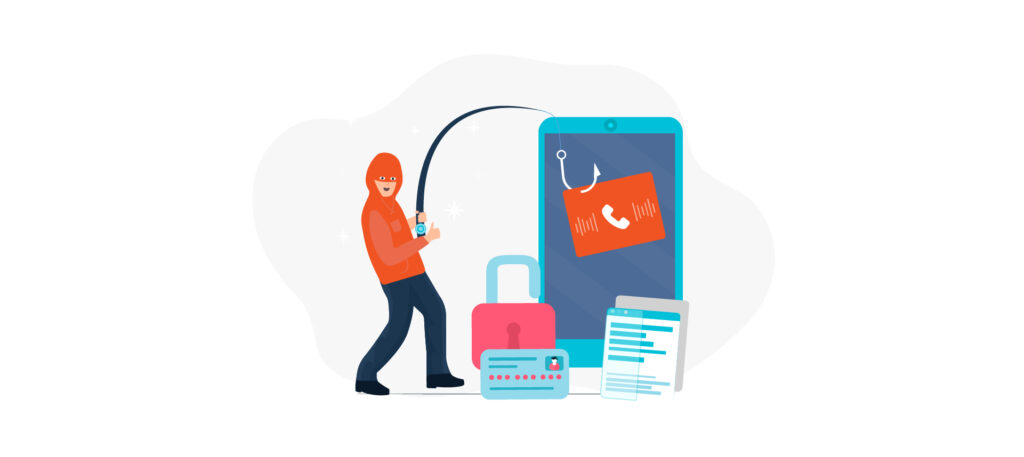
These attacks are similar in the usage of fraudulent methods to trick users into providing attackers with personal and financial information.
There are, however, some significant variations between these attacks.
Text message Phishing (Smishing):
Short text messages (SMS) are used in these attacks to trick users into clicking on a suspicious link or sharing personal and financial information.
For example, attackers could send a text message claiming to be from the bank, asking the user to update the bank account information through a link, and then redirecting the user to a false website to collect sensitive information.
Phishing via e-mail (Phishing):
Fake emails are used in these attacks to trick users into thinking they are interacting with a trustworthy organization, such as a bank or an email provider.
A strange link is often found in e-mails, directing users to a fully fake Phishing e-mail Web page that collects users’ personal and financial information.
Phishing over Voice communication (Vishing):
Voice telephony is used in these attacks to trick users into thinking they are interacting with a trustworthy organization, such as a bank or a financial services company.
To get users to share personal and financial information, such as a bank account PIN, National Identification number, or OTP number, voice manipulation and fake information methods are used.
What Are The Main Dangers of Phishing Attacks?
Phishing attacks may cause a variety of challenges, including:
Theft of personal information:
Attackers can use Phishing attacks to obtain users’ personal information, such as names, addresses, national identification numbers, bank account details, credit card details, and these information can be used for forgery and other fraud.
Financial fraud:
Attackers can use phishing attacks to steal money or transfer it to other accounts using the personal information obtained or by persuading users to provide their financial information.
Reputation damage:
Phishing attacks can damage the reputation of targeted organizations and companies due to the use of their name and logo in fake attacks.
Electronic penetration:
Phishing attacks can lead to electronic penetration of devices and networks, due to which users open suspicious links or upload malicious files.
Waste of time and resources:
Dealing with phishing attacks can lead to a loss of time and resources as organizations and individuals must conduct verification and investigation and take the necessary security measures, which can affect productivity and efficiency.
Psychological damage:
Exposure to phishing attacks can cause psychological damage to individuals and organizations, especially if there are significant financial or information losses.
Legal violations:
The use of phishing attacks can lead to legal violations due to electronic hacks and the use of stolen information in fraud, forgery, and theft.
Ways to Protect Against Phishing Attacks.
There are many strategies for protecting against phishing attempts, including:
Verifying the identity of the issuer:
The identity of the issuer must always be verified before providing any personal or financial information , the alleged party can be contacted directly to verify the correctness of the information provided.
Do not click on suspicious links:
You should avoid clicking on suspicious links in emails and text messages and not upload unknown files.
Update protection software:
Anti-virus and malware software should be installed and updated regularly to ensure better protection of devices and data.
You should use strong and unique passwords for each account and avoid using easy to predict passwords such as date of birth or consecutive numbers.
Training and digital awareness:
Employees and users should be made aware of the methods of phishing attacks, trained on how to deal with them, verify the identity of the source, and avoid clicking on suspicious links.
Using security applications:
Security applications such as two-factor authentication applications and password management applications can be used to increase security and protect against phishing attacks.
Hardware and software updates:
Hardware and software should be updated regularly to correct security vulnerabilities and enhance protection.
Caution about personal information on social networking sites:
Caution should be exercised when it comes to personal information posted on social networking sites, as it can be used by attackers in phishing attacks.
Stay away from public networks:
You should avoid using open and anonymous public networks, as attackers can gain access to sensitive data sent and received.
Report suspicious activity:
Any suspicious activity should be reported to the relevant authorities, such as banks, email companies, or government agencies, to take the necessary measures to protect users.
Conclusion
In short, phishing attacks pose a serious threat to individuals and organizations, and you need to take measures and precautions to protect against them.
Among these measures is the multi-factor authentication system, which provides better and more secure protection for systems and employees from these attacks.
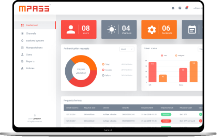
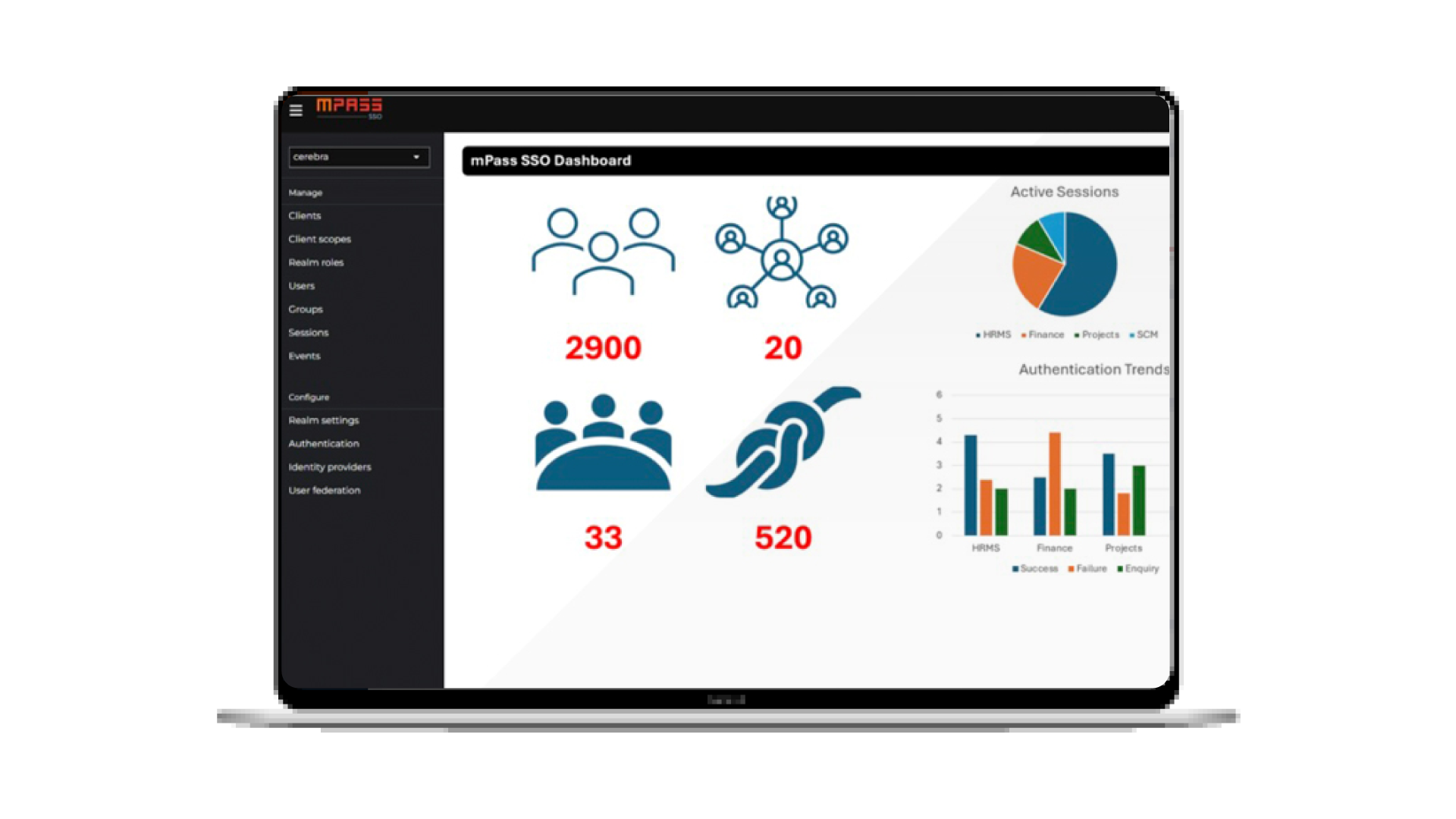
Cerebra developed mPass, a multi-factor authentication system that provides high level protection for users while maintaining ease of use.
If you want to protect yourself or your organization from phishing attacks, you can consider using mPass from Cerebra as a reliable and effective security solution.
It is an important step to protect yourself, your money, and your personal information from the risk of fraud and phishing.
Share this article:
Popular
Major Data Leak Exposes 183 Million Email Accounts – What Happened and What It Means
Major Data Leak Exposes 183 Million Email Accounts – What Happened and What It Means A massive data leak came to light on October 28, 2025, with reports confirming that hundreds of millions of user credentials have been exposed online. Below, we break down the key facts of this breach – including its source, scale, and implications – and then explore how cybersecurity solutions from Cerebra.sa could help prevent or mitigate such incidents in the future. Overview of the October 28, 2025 Data Leak Source/Target: The breach did not stem from a single company hack, but rather from a trove ...
29th Oct 2025
Top 3 Phishing Types and How to Prevent Them in 2025
Phishing Types: Spear Phishing, Smishing & How to Avoid Phishing Emails The Enduring Threat: Why Phishing Attacks Are Getting Smarter Phishing types like spear phishing, smishing, and whaling are becoming more sophisticated in 2025, making it harder than ever to avoid phishing emails. This guide explores the most dangerous phishing types and shows you how to recognize and prevent them before they cause harm. The National Cybersecurity Authority (NCA) reinforces this urgency with its awareness message: ‘Stop for 5 seconds… Guard Your Cyberspace.’ What Is Phishing? Definition and Modern Tactics Phishing is a cyberattack where malicious actors impersonate trusted ...
5th Aug 2025
5 Critical Benefits of AI in Cybersecurity: Latest Data and Threat Defense in 2025
Using AI in Cybersecurity We should start learning using AI in cyber security because Hackers aren’t going to slow down any time soon and with a using AI! The next step to level up in protecting your business’s IT infrastructure is to integrate artificial intelligence. Studies have revealed that AI will strengthen the wall between systems and cyber threats. According to an IBM report, the global average cost of a data breach in 2025 is $4.4 million. Even though, it decreased by 9% vs previous year, the numbers are still way higher than few years back. They are elevating their approaches ...
1st Aug 2025
6 benefits of SMS Marketing you should know!
6 benefits of SMS Marketing you should know! Have you ever used SMS marketing to reach and communicate with your audience, if not! I’m sure that you will change your mind when you read about the benefits of SMS Marketing, continue this article to learn.. Many businesses are constantly seeking ways to interact with and attract new customers. Their joint objective is to reach a wider audience. To do so, communication is key. There are many ways for businesses to communicate with their audience, either by email, social media, or adverts, but the most beneficial marketing method, that is often ...
30th Jul 2025
MFA: the New Firewall In the 21st century
MFA- Multi Factor Authentication This article will help you to understand why Multi Factor Authentication( MFA )became an important architectural component in protecting us in the new Working From Home. Introduction In the early days, Cybersecurity (then called IT Security or information security) used to be merely a username and password. If you ask to someone, they would say I have a username and password so I am safe. It wasn’t much of the internet at that time. Eventually, people have learned that password isn’t sufficient to protect their digital assets. So Antivirus (AV) software flourished and we saw a ...
20th Jul 2025
What is the role of MFA? |ECC & SAMA Compliance
ECC & SAMA Compliance with MFA solution Do you know that there are a great MFA solutions in market today help your organization for ECC & SAMA Compliance? this article will show you how and we will provide you the most incredible MFA solution help to comply with Cybersecurity regulation in KSA.. With the world of cyber threats becoming more intense than ever, organizations need to comprehend the need for an improved cybersecurity framework. The universal goal is to protect the organization’s network from any outsider or insider threats, especially with the addition of remote work resulting from the COVID-19 ...
15th Jul 2025
The AI Revolution in Cybersecurity: A New Frontier of Defense
The AI Revolution in Cybersecurity: A New Frontier of Defense How is AI revolutionizing the cybersecurity industry? The rapid evolution of Artificial Intelligence (AI), especially with the rise of Generative AI (GenAI), is not just reshaping every industry; it is fundamentally transforming how we approach digital defense. As cyber threats grow in complexity and scale, AI is emerging as a powerful ally, offering innovative solutions to protect digital assets and infrastructure. For a full list of advantages, read about the 5 Benefits of Using AI in Cyber security. At Cerebra, we explore how AI is reshaping the cybersecurity landscape—from enhancing ...
6th Jul 2025
Uber security breach by 18-year-old Hacker!
Uber security breach by 18-year-old Hacker! Uber security breach proves that the largest companies can be hacked by teenagers! this news will undoubtedly shock you.. How Uber security breach happened? Uber recently experienced a cyberattack where an 18-year-old hacker accessed their systems by launching a successful social engineering attack on an employee. The hacker used stolen employee credentials to launch an MFA (Multi-Factor authentication) Fatigue attack. It is an attack where a victim receives multiple requests from their MFA application till it bothers them out leading them to eventually accept the request. The teenage attacker did not disclose how he ...
15th Jun 2025
Biometric Authentication: Is it reliable?
Biometric Authentication The history of bio-metrics used as an authentication tool dates to the 1800s. It was first used by the French to identify criminals through their fingerprints, which later the English police commissioner, Edward Henry, developed HCS “Henry Classification System”. It was a system that relied on fingerprints to identify people who have been prosecuted, it was a prime way of classification used by the police during the 20th century. As the years continued, new biological traits started being used in biometric authentication which in result are replacing traditional methods of authentication. Any invention introduced in the cyber world ...
10th Jun 2025