












“Cyber Warfare: From Espionage to War A Journey Through Time”
With the massive technological advancements, the boundaries of warfare have expanded to encompass cyberspace, where “cyber warfare” has emerged as an increasingly serious threat to individuals, institutions, and countries.
The line between cyber and traditional wars has blurred for a while but recent activities in the region made it clear that cyberwars is becoming a dangerous and can lead to harming humans.
In this blog, we will dive into a journey through the world of cyber warfare, seeking to understand its nature, history, impacts, types, evolution, and some solutions to confront its risks.
But first, let us acquaint ourselves with the concept of warfare in general and how it evolves through the years.
Wars and War Generations
In general, war is a state of conflict between two or more parties using weapons due to differences between them, whether differences in interests or differing perspectives that might involve political disputes.
Generations of War
Wars are traditionally classified into generations, each with their own characteristics and features.
First-generation wars are characterized using traditional tactics such as armies and simple weapons.
Second Generation Wars included the use of advanced technology and the expansion of global conflicts e.g., World War I.
Third Generation Wars: Focused on rapid and sudden use, integrating different armed forces to overcome the enemy.
Fourth Generation Wars: Known as proxy wars, they are characterized using technology in international conflicts, where the lines between war and politics are blurred.
Fifth Generation Wars: Focus on indirect attacks and the use of soft power alongside military force. This type of warfare focuses on influencing public opinion and achieving political and economic objectives rather than relying primarily on military force.
And now we move on to cyber warfare.
Cyber Warfare: An Overview
Cyberwarfare is defined as conflicts in which digital tools and technologies are used to disable, misinform, sabotage, or cause harm to adversaries, steal data, or even launch wide-scale electronic attacks.
The concept of cyber warfare involves military-led electronic attacks aimed at penetrating global electronic systems and anything reliant on technology, causing damage to computer devices and devices connected to the internet, which could lead to catastrophic consequences like nuclear wars if successful.
Relationship of Cyber Warfare to War Generations:
Cyber warfare represents an extension of modern warfare, where technology and the internet are used to execute attacks and impact the digital infrastructure of adversaries.
Impact of Cyber Warfare Compared to Physical Warfare:
Cyber warfare is characterized by its precise effects, yet it can be equally destructive, targeting vital infrastructure such as energy networks, financial systems, and communication networks.
The effects of cyber warfare differ from those of traditional physical warfare in several aspects:
No Geographic Boundaries: Cyber-attacks are launched in cyberspace and are not limited to specific geographic borders, making it difficult to pinpoint the location and source of the attack.
Precision Impact: Cyber battle focuses on targeting specific systems or sensitive data, causing precise but potentially devastating damage.
Indirect Impact: Cyber-attacks can disrupt vital infrastructure like energy networks, communications, and financial systems, leading to widespread chaos, economic downturns, and social disruptions.
Difficulty in Attribution: It is often challenging to identify the responsible party behind cyber-attacks, leading to increased tensions between states and undermining trust in international relations.
Proliferation of Weapons and Tactics: Unethical attackers find it easy to obtain cyber weapons and tactics, increasing the likelihood of global cyber conflicts.
Overall, while cyber battle may not result in physical destruction on the same scale as traditional warfare, its effects can be far-reaching and profound, impacting critical infrastructure, economies, and international relations.
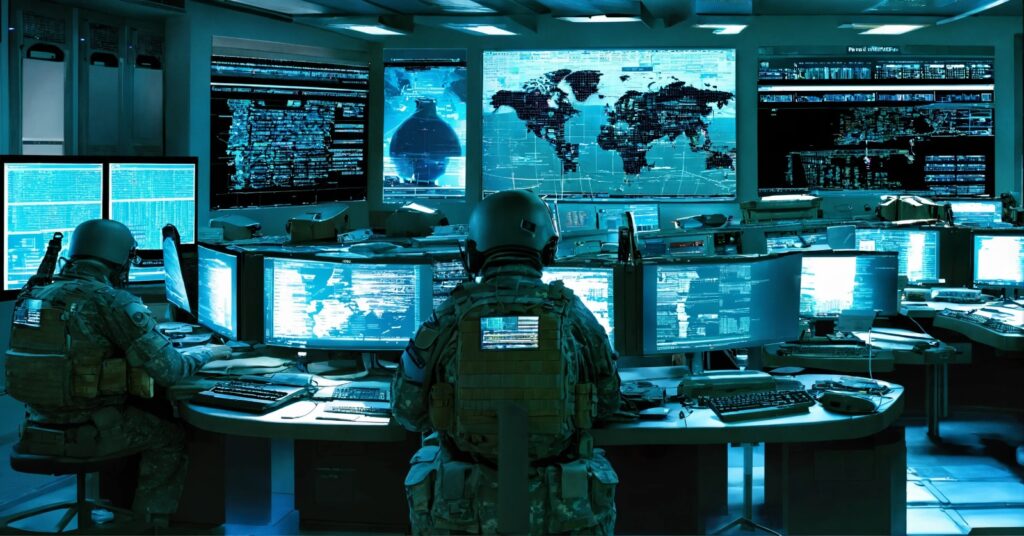
Types of Cyber Warfare:
Cyber-espionage: involves gathering secret and sensitive information from government agencies, companies, or individuals for intelligence purposes.
Cyber Sabotage: Seeks to target critical infrastructure with the aim of disrupting operations or causing damage.
Cyber Propaganda: uses social media, fake news, and online disinformation campaigns to manipulate public opinion, spread discord, and destabilize governments.
Cyberterrorism involves cyberattacks to spread fear, cause harm, promote, or propagate political or religious ideas.
Evolution of Cyber Armies Over Time:
The inception of cyber armies dates back to the dawn of the computer networking and military computing eras. Initially, efforts focused on defensive measures to protect military systems from penetration and sabotage.
With technological advancements, countries have recognized the potential of cyber-attacks in offensive operations and intelligence-gathering efforts.
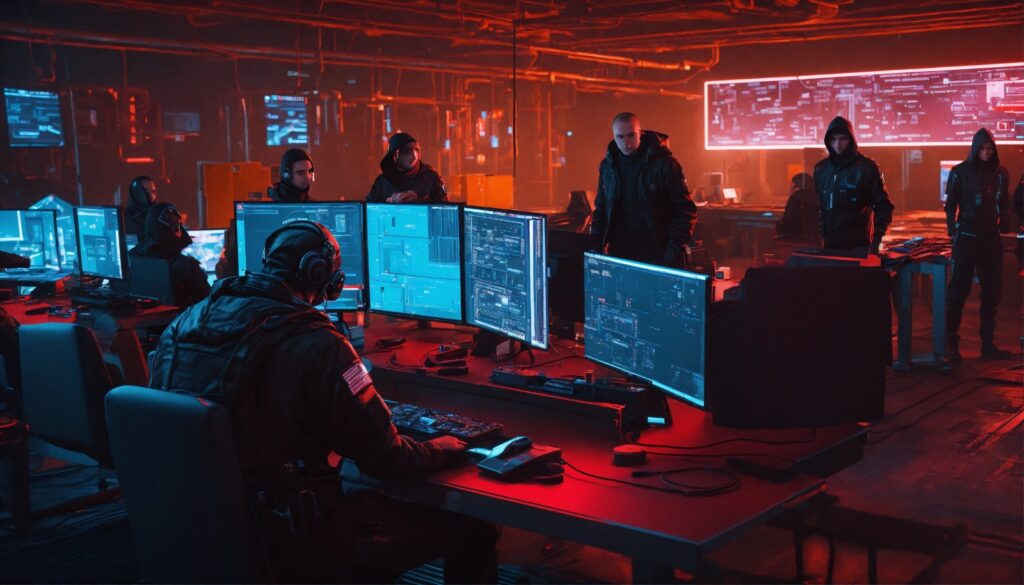
A Brief History of Cyber Armies and Their Types:
Early Developments (1960s–1980s): During this period, the focus was on defensive measures to protect military systems, primarily through the development of secure communication channels and encryption techniques to safeguard sensitive information.
Emergence of Offensive Capabilities (1990s–Early 21st Century): Countries began exploring offensive cyber capabilities, with major powers investing in cyber battle programs to gain a strategic advantage in conflicts. Cyber espionage and surveillance became prevalent, with intelligence agencies targeting foreign governments, military institutions, and defense contractors to gather intelligence.
Modern Cyber Warfare (2010–Present): Increased Intensity of Cyber Attacks where the first decade of the 21st century witnessed a surge in cyber battle activities, with state-sponsored actors launching prominent cyber-attacks.
This evolution highlights the transition from a focus on defensive measures to offensive capabilities, marking a significant shift in the landscape of cyber battle for the following reasons:
Integration of Cyber Capabilities: Countries have recognized the importance of cyberspace as a new battleground and have integrated cyber capabilities into their military strategies.
Evolution of the Cyber Army Arsenal: Cyber armies have expanded their arsenals to include sophisticated malware programs, zero-day exploit programs, and Advanced Persistent Threats (APTs) capable of disrupting vital infrastructure and conducting espionage operations.
Hybrid Warfare: Tactics of hybrid warfare, which combine traditional military operations with cyber-attacks and disinformation campaigns, have become prevalent in conflicts such as the Ukrainian War.
In conclusion,
cyber warfare poses a significant and evolving threat in the modern World, necessitating the enhancement of cybersecurity defenses, strengthening international cooperation and standards, and investing in cybersecurity awareness, research, and development to stay ahead of emerging threats.
Share this article:
Popular

Major Data Leak Exposes 183 Million Email Accounts – What Happened and What It Means
Major Data Leak Exposes 183 Million Email Accounts – What Happened and What It Means A massive data leak came to light on October 28, 2025, with reports confirming that hundreds of millions of user credentials have been exposed online. Below, we break down the key facts of this breach – including its source, scale, and implications – and then explore how cybersecurity solutions from Cerebra.sa could help prevent or mitigate such incidents in the future. Overview of the October 28, 2025 Data Leak Source/Target: The breach did not stem from a single company hack, but rather from a trove ...
29th Oct 2025
Top 3 Phishing Types and How to Prevent Them in 2025
Phishing Types: Spear Phishing, Smishing & How to Avoid Phishing Emails The Enduring Threat: Why Phishing Attacks Are Getting Smarter Phishing types like spear phishing, smishing, and whaling are becoming more sophisticated in 2025, making it harder than ever to avoid phishing emails. This guide explores the most dangerous phishing types and shows you how to recognize and prevent them before they cause harm. The National Cybersecurity Authority (NCA) reinforces this urgency with its awareness message: ‘Stop for 5 seconds… Guard Your Cyberspace.’ What Is Phishing? Definition and Modern Tactics Phishing is a cyberattack where malicious actors impersonate trusted ...
5th Aug 2025
5 Critical Benefits of AI in Cybersecurity: Latest Data and Threat Defense in 2025
Using AI in Cybersecurity We should start learning using AI in cyber security because Hackers aren’t going to slow down any time soon and with a using AI! The next step to level up in protecting your business’s IT infrastructure is to integrate artificial intelligence. Studies have revealed that AI will strengthen the wall between systems and cyber threats. According to an IBM report, the global average cost of a data breach in 2025 is $4.4 million. Even though, it decreased by 9% vs previous year, the numbers are still way higher than few years back. They are elevating their approaches ...
1st Aug 2025
6 benefits of SMS Marketing you should know!
6 benefits of SMS Marketing you should know! Have you ever used SMS marketing to reach and communicate with your audience, if not! I’m sure that you will change your mind when you read about the benefits of SMS Marketing, continue this article to learn.. Many businesses are constantly seeking ways to interact with and attract new customers. Their joint objective is to reach a wider audience. To do so, communication is key. There are many ways for businesses to communicate with their audience, either by email, social media, or adverts, but the most beneficial marketing method, that is often ...
30th Jul 2025
MFA: the New Firewall In the 21st century
MFA- Multi Factor Authentication This article will help you to understand why Multi Factor Authentication( MFA )became an important architectural component in protecting us in the new Working From Home. Introduction In the early days, Cybersecurity (then called IT Security or information security) used to be merely a username and password. If you ask to someone, they would say I have a username and password so I am safe. It wasn’t much of the internet at that time. Eventually, people have learned that password isn’t sufficient to protect their digital assets. So Antivirus (AV) software flourished and we saw a ...
20th Jul 2025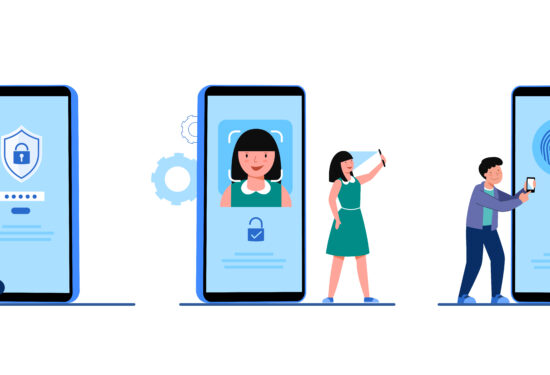
What is the role of MFA? |ECC & SAMA Compliance
ECC & SAMA Compliance with MFA solution Do you know that there are a great MFA solutions in market today help your organization for ECC & SAMA Compliance? this article will show you how and we will provide you the most incredible MFA solution help to comply with Cybersecurity regulation in KSA.. With the world of cyber threats becoming more intense than ever, organizations need to comprehend the need for an improved cybersecurity framework. The universal goal is to protect the organization’s network from any outsider or insider threats, especially with the addition of remote work resulting from the COVID-19 ...
15th Jul 2025
The AI Revolution in Cybersecurity: A New Frontier of Defense
The AI Revolution in Cybersecurity: A New Frontier of Defense How is AI revolutionizing the cybersecurity industry? The rapid evolution of Artificial Intelligence (AI), especially with the rise of Generative AI (GenAI), is not just reshaping every industry; it is fundamentally transforming how we approach digital defense. As cyber threats grow in complexity and scale, AI is emerging as a powerful ally, offering innovative solutions to protect digital assets and infrastructure. For a full list of advantages, read about the 5 Benefits of Using AI in Cyber security. At Cerebra, we explore how AI is reshaping the cybersecurity landscape—from enhancing ...
6th Jul 2025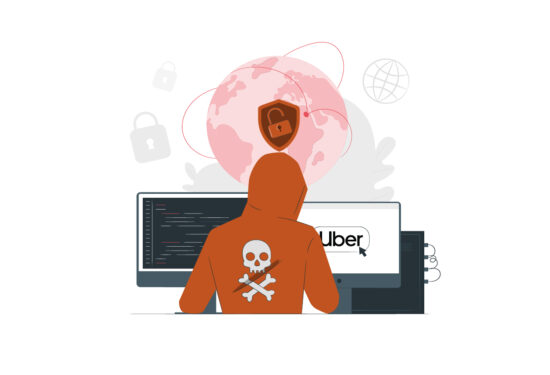
Uber security breach by 18-year-old Hacker!
Uber security breach by 18-year-old Hacker! Uber security breach proves that the largest companies can be hacked by teenagers! this news will undoubtedly shock you.. How Uber security breach happened? Uber recently experienced a cyberattack where an 18-year-old hacker accessed their systems by launching a successful social engineering attack on an employee. The hacker used stolen employee credentials to launch an MFA (Multi-Factor authentication) Fatigue attack. It is an attack where a victim receives multiple requests from their MFA application till it bothers them out leading them to eventually accept the request. The teenage attacker did not disclose how he ...
15th Jun 2025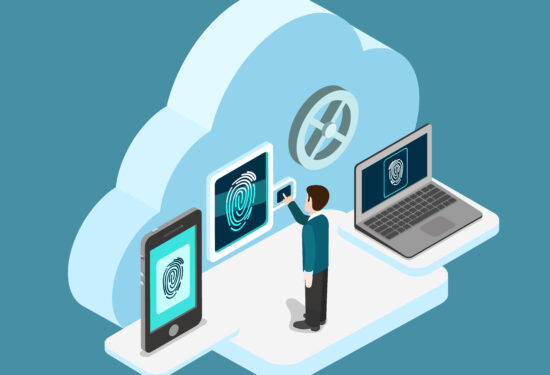
Biometric Authentication: Is it reliable?
Biometric Authentication The history of bio-metrics used as an authentication tool dates to the 1800s. It was first used by the French to identify criminals through their fingerprints, which later the English police commissioner, Edward Henry, developed HCS “Henry Classification System”. It was a system that relied on fingerprints to identify people who have been prosecuted, it was a prime way of classification used by the police during the 20th century. As the years continued, new biological traits started being used in biometric authentication which in result are replacing traditional methods of authentication. Any invention introduced in the cyber world ...
10th Jun 2025